











village voice


Acts of Faith
by J. Hoberman
January 8 - 14, 2003


Le Cercle Rouge
Written and directed by Jean-Pierre Melville
Rialto
at Film Forum

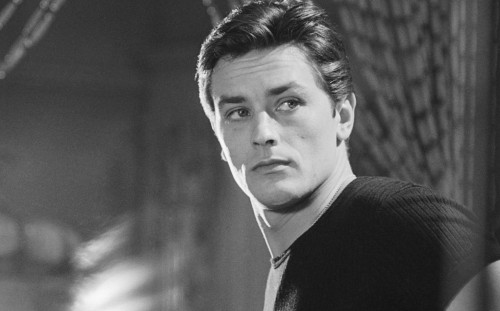
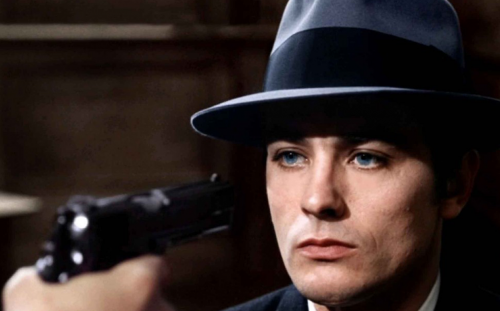
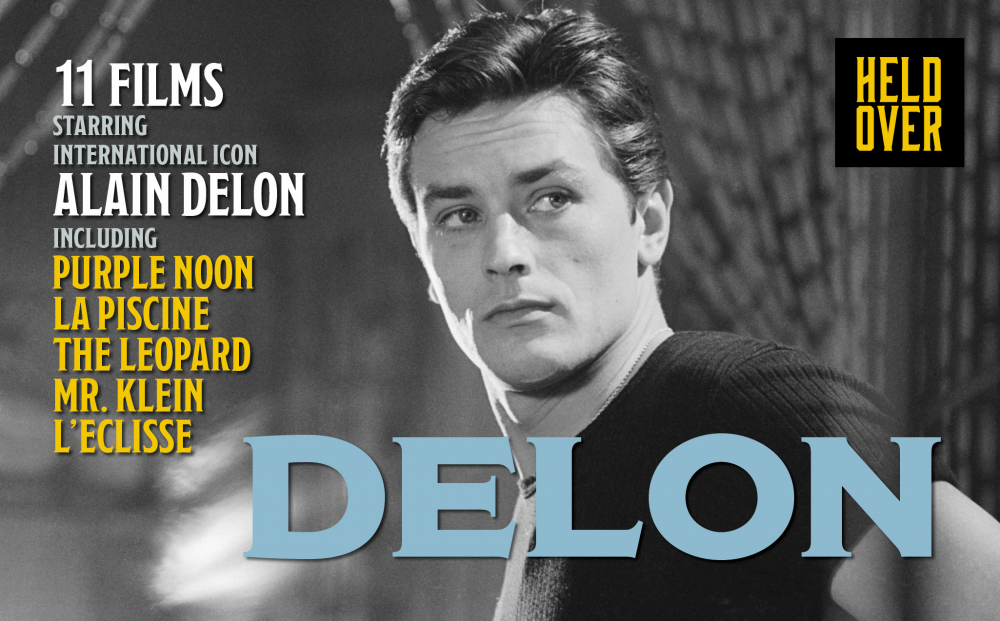
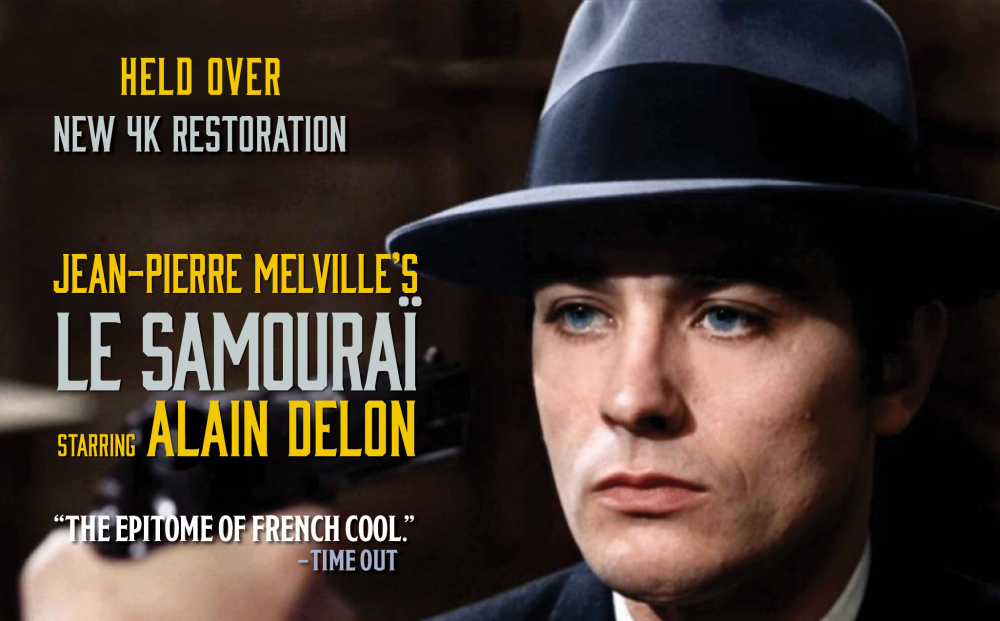
High priest of tough-guy mysticism, inventor of the attitudinous thriller associated with Godard, Tarantino, and Wong Kar-wai, the late Jean-Pierre Melville returns to us this week with the local premiere of the complete 140-minute version of his 1970 buddy-manhunt-caper cum crypto-western Le Cercle Rouge, presented—in a restored color print—by his acolyte John Woo. Prefaced by one of Melville's patented fake Buddhist quotes, Le Cercle Rouge is a work of leisurely development and tragic inevitability—so formalized it seems natural for the criminals to wear jacket and tie as they waft through a posh, nocturnal Paris. (They actually seem less anachronistic now than two years after the barricades of '68.) The principal ballerinas in this dance of the professionals are the ex-con Corey (Alain Delon), the alcoholic ex-cop Jansen (Yves Montand), and the escaped prisoner Vogel (Gian Maria Volonté), loners all. The heist at the movie's center is choreographed like a commando raid or a bullfight, with the dapper, self-possessed Delon a grim matador in white gloves and a full face mask. Afterward, Jansen is willing to forgo his share of the loot; to participate in taking the Place Vendôme jewelry store is reward enough.

Jansen is pursued by his demons; Vogel by an Interpol cop; Corey by the mob. The existential doom is so thick you could spread it on a baguette. As deliberate as it is, Le Cercle Rouge does not lack for suspense. The elegantly functional script pivots on a neat series of reversals and chance intersections. Despite the presence of Euro stars Delon and Montand, the tone is less preening than businesslike—stately rituals performed by a cast of solitary men in trench coats. (Melville's notion of a gallant woman is the nightclub cigarette girl who silently presents Corey with a single rose, as the noose that is Le Cercle Rouge begins to tighten.)

The Melville world is so specific to the movies that it verges on abstraction, although his streamlined fatalism is enlivened by odd bits of business. The bloodhounds pursuing Vogel through the woods pass a sign reading, "Niepce invented photography in this village, 1822." Jansen suffers excruciatingly literal DTs in a hovel with striped wallpaper too hideous to hallucinate. The underworld dive run by dour, spaniel-eyed Santi (Paul Crauchet) features a floor show that might be the prototype for a Robert Palmer video—12 chorines in matching hooker wigs impassively maneuvering around a tiny stage. No less than the Dardennes, albeit to different effect, Melville is attuned to the perfectly studied gesture. Early in the movie—and very early in the morning—taciturn Corey comes calling on the former associate for whom he took the rap. Ignoring the crime boss's fawning promises of assistance, the implacable ex-con has him open up the wall safe, helping himself to money and a gun, then leaving as his marker a worn photograph of the very woman we've just seen naked in the boss's bed. Without a backward glance, this epitome of cool leaves to play a solitary game of pool in an empty billiard parlor and await the inevitable appearance of the boss's minions.


Copyright © 2003 Village Voice Media, Inc., 36 Cooper Square, New York, NY 10003 The Village Voice and Voice are registered trademarks. All rights reserved.